Geekvape’s Factory Disclosures: Reading Beyond the Certification Headline
Geekvape's Zhuhai disclosures cover building credentials and energy management. Understanding what each applies to is more useful than treating them as a single product-level environmental claim.
Key points
- Geekvape reports separate LEED milestones in March 2024 and October 2025.
- Its ISO 50001 announcement concerns an energy-management system at Zhuhai Qisitech.
- Site credentials alone do not establish a device's lifecycle footprint or environmental ranking.
A factory credential can describe a building, an operating process or a management system. Those are not interchangeable units of evidence. Geekvape’s disclosures about Zhuhai Qisitech provide a useful example of why the scope behind a certification headline matters.
This is an analysis of existing company announcements and the relevant standards bodies’ explanations, not a report of a new factory audit.
Two building milestones with different scopes
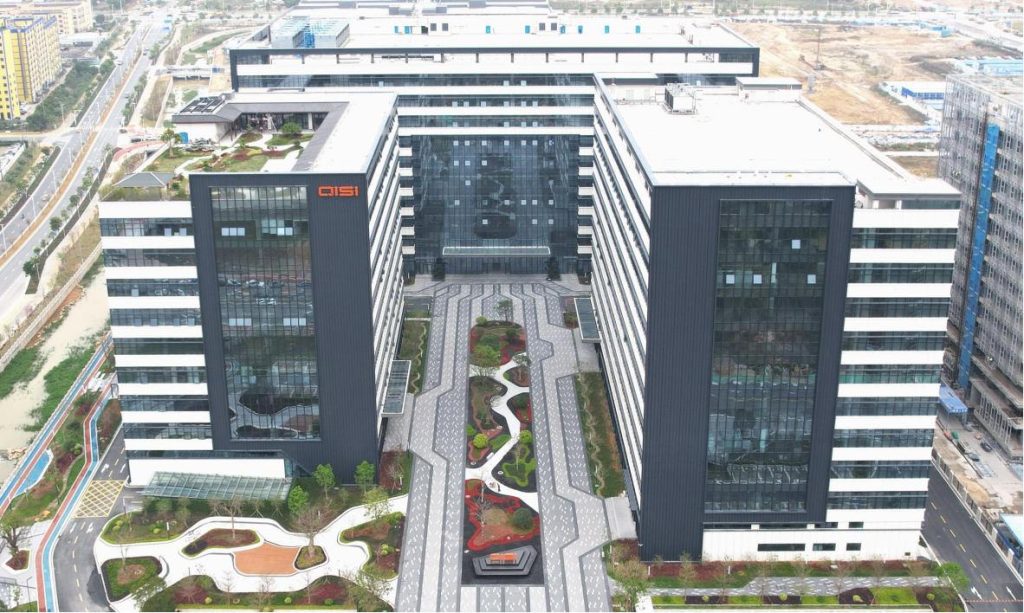
In its dual-LEED announcement, Geekvape says its wholly owned Zhuhai Qisitech industrial park received LEED v4.1 Operations and Maintenance Platinum certification in October 2025, following a LEED v4 Interior Design and Construction Platinum certification in March 2024. These dates and awards are reported here as the company’s account, not as independently verified certificate records.
The distinction between the two routes is substantive. The U.S. Green Building Council’s explanation places new interior projects under Interior Design and Construction, while existing buildings focused on operations use Operations and Maintenance. A shared Platinum label does not erase the difference in what is being assessed.
An energy-management system is another layer
In a separate announcement, Geekvape says Zhuhai Qisitech obtained ISO 50001:2018 certification after an external audit by SGS. The page’s text does not supply an exact certification date, so it is not treated here as a newly dated development.
ISO’s own overview describes a framework for setting energy policy and objectives, using data, measuring results and reviewing performance. ISO also states that it does not perform certification. That places a management-system claim in a different category from a finished-product test or a quantified lifecycle footprint.
The missing step between site and product
VapeBrief’s interpretation is that these disclosures are most informative when their boundaries remain visible. A building award does not, by itself, calculate the impact of each device manufactured there. An energy-management certificate is not a numerical claim about emissions per unit.
A product-level comparison would need additional evidence: the assessed product and period, production volumes, the allocation of factory energy, materials, transport and end-of-life assumptions. Without a consistent boundary, two figures may describe different things even when both carry environmental language.
The useful takeaway is therefore narrower than an environmental ranking. Geekvape has published distinct claims about its facility and management processes. Readers can examine those claims without converting them into an unsupported conclusion that a particular device has a lower overall footprint.
Editorial scope: official materials reviewed on October 26, 2026. VapeBrief did not inspect the facility, audit its energy data or independently validate the reported certificates.
Sources
18+ only. This site is for adult readers and provides news and information only. It is not medical, legal or purchase advice. Nicotine is addictive. Always check the official text of any regulation in your market. Health Information