South Korea publishes first harmful-ingredient results for 465 tobacco products
South Korea's food and drug ministry released product-level test results on 29 October for 465 tobacco products, finding formaldehyde in all cigarettes and heated-tobacco items and in 99 of 105 e-liquids. Synthetic-nicotine testing starts in 2027.
Key points
- South Korea's Ministry of Food and Drug Safety released harmful-ingredient results for 465 tobacco products on 29 October.
- Formaldehyde was detected in all 256 cigarettes, all 104 heated-tobacco products and 99 of 105 liquid e-cigarettes tested.
- The ministry screened 44 ingredients in cigarettes and heated-tobacco products and 20 in e-liquids.
- The ministry said e-liquid results reflect liquid contents and do not establish user exposure during inhalation.
- Testing and disclosure for synthetic-nicotine products is scheduled to begin in 2027.
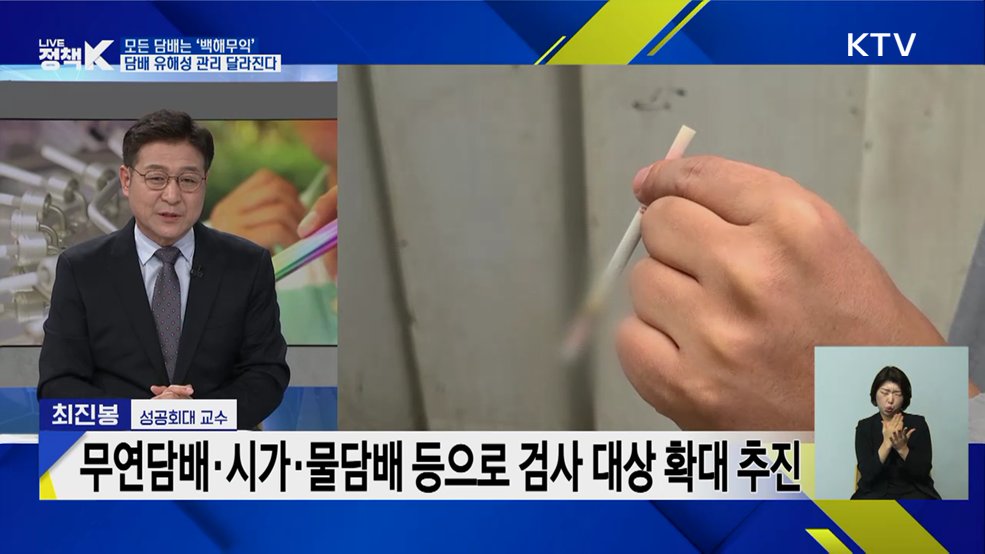
South Korea’s Ministry of Food and Drug Safety published harmful-ingredient results for 465 tobacco products on 29 October, listing formaldehyde in all 256 cigarette products and all 104 heated-tobacco products it tested.
The same release listed formaldehyde in 99 of the 105 liquid e-cigarettes covered. The ministry issued these as its first product-level disclosure of this kind in the country.
Three product categories share one 465-item disclosure
Cigarettes account for 256 of the 465 listed products, heated-tobacco items for 104 and liquid e-cigarettes for 105, according to the ministry’s release.
| Product category | Products tested | Products with formaldehyde detected | Ingredients screened |
|---|---|---|---|
| Conventional cigarettes | 256 | 256 | 44 |
| Heated-tobacco products | 104 | 104 | 44 |
| Liquid e-cigarettes | 105 | 99 | 20 |
The ministry screened 44 substances in cigarettes and heated-tobacco products and 20 in e-liquids, including nicotine, tar and other potentially harmful substances.
The e-liquid figures describe contents, not inhalation exposure
The ministry stated that results for e-liquids reflect what the liquids contain and do not establish what users are exposed to when inhaling. It also said the findings do not allow direct comparison of health risks between product categories.
That qualification matters for anyone reading the 99-of-105 figure as a ranking of e-cigarettes against cigarettes. The disclosed e-liquid numbers come from liquid analysis, while the cigarette and heated-tobacco figures come from a wider 44-substance screen.
Formaldehyde is classified as a Group 1 carcinogen by the International Agency for Research on Cancer, according to the ministry’s release.
Synthetic-nicotine products enter the programme in 2027
The initial round covered tobacco-derived nicotine products only. The ministry said it will begin testing and disclosing results for synthetic-nicotine products in 2027.
It also plans to develop methods for measuring emissions generated during e-cigarette use, rather than testing liquids alone. No date was given for that shift beyond the 2027 synthetic-nicotine start.
Manufacturers, importers and retailers carry the disclosure burden
Companies whose products appear in the 465-item list are now named in a public, product-level dataset rather than behind category averages.
Distributors and retailers selling tobacco-derived nicotine e-liquids sit in the first wave of disclosure. Sellers of synthetic-nicotine products have a stated window before their lines are tested and published in 2027.
Any party preparing products for the Korean market should expect the same 20-ingredient e-liquid screen and, if the ministry’s plan proceeds, emission testing alongside liquid testing.
What happens next
The 2027 start for synthetic-nicotine testing is the only dated next step in the ministry’s announcement, and the emission-testing method has no published timeline.
Questions readers ask
What did South Korea's harmful-ingredient test find in e-liquids?
The Ministry of Food and Drug Safety tested 105 liquid e-cigarettes and detected formaldehyde in 99 of them. The e-liquids were screened for 20 ingredients, including nicotine, tar and other potentially harmful substances. The ministry said these results describe liquid contents and do not establish user exposure during inhalation.
When will synthetic-nicotine vapes be tested in South Korea?
The ministry said it plans to begin testing and disclosing results for synthetic-nicotine products in 2027. The first round covered tobacco-derived nicotine products only. The ministry also intends to develop methods for measuring emissions produced during e-cigarette use, with no separate date stated for that work.
How many tobacco products were covered in the first disclosure?
The first product-level release covered 465 tobacco products: 256 conventional cigarettes, 104 heated-tobacco products and 105 liquid e-cigarettes. Cigarettes and heated-tobacco products were screened for 44 ingredients, while e-liquids were screened for 20. The results were released on 29 October.
Can the e-liquid results be compared with cigarette results?
The ministry said the results do not allow direct comparisons of health risks between product categories. E-liquid findings reflect the contents of the liquids themselves, while cigarette and heated-tobacco findings came from a broader 44-ingredient screen. The ministry also said the data do not establish users' exposure during inhalation.
Sources
18+ only. This site is for adult readers and provides news and information only. It is not medical, legal or purchase advice. Nicotine is addictive. Always check the official text of any regulation in your market. Health Information