Former FDA head Makary says White House pushed for more vape approvals
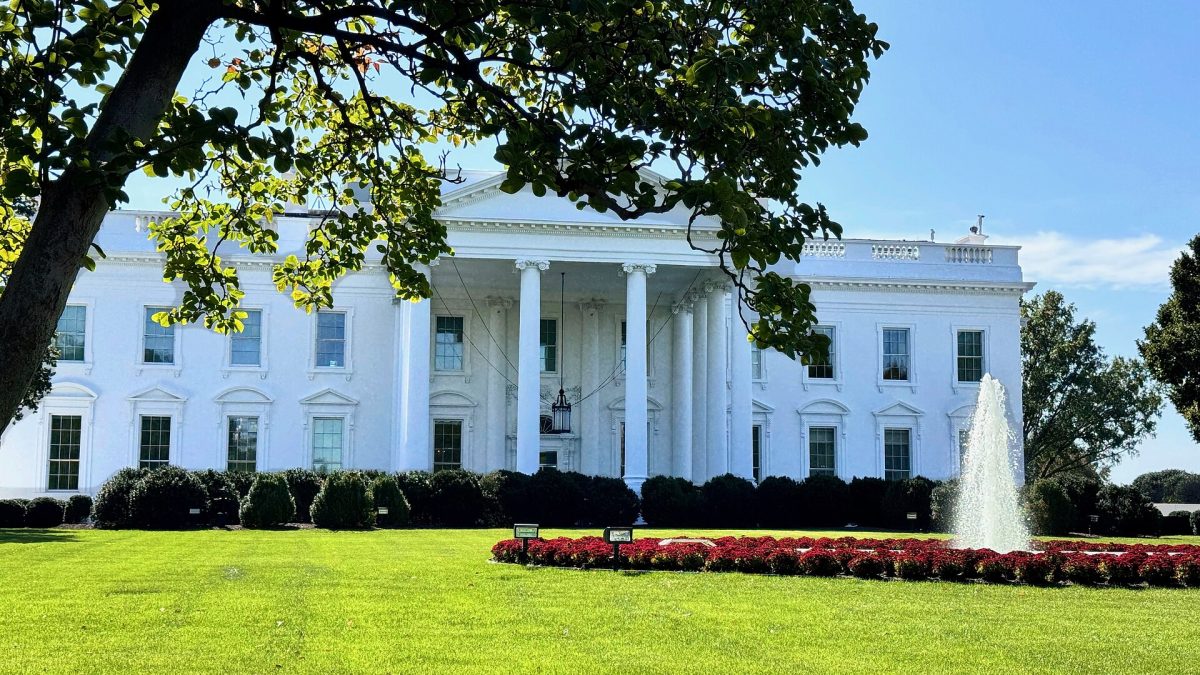
Marty Makary, who resigned as FDA commissioner in May 2026, told POLITICO that White House and HHS aides pressed the agency to authorise more vaping products, including fruit flavours. He gave no documents or names.
Key points
- Marty Makary resigned as FDA commissioner in May 2026 and first discussed the alleged pressure publicly on Nov. 11, according to Tobacco Reporter.
- Makary told POLITICO that White House and HHS aides focused on getting more vapes approved and catering to lobbyists rather than on medical cures or healthy food.
- Tobacco Reporter links his exit partly to disagreements over flavoured vape authorisations; MS NOW reports the same interview without that link.
- Neither account names officials, cites documents or identifies which product applications were affected.
- Tobacco Reporter says the White House did not immediately respond to POLITICO's request for comment.
On this page
- Makary’s first public account of the alleged pressure came after he left
- One interview produced two different headlines
- US authorisation decisions sit with FDA, and the dispute touches the flavoured segment
- What supply-chain readers should watch
- The White House response and future FDA decisions are the next markers
Marty Makary, who resigned as FDA commissioner in May 2026, said White House and HHS aides pressed the agency to authorise more vaping products and to accommodate industry lobbyists. He made the claim in an interview with POLITICO published Nov. 11.
The accounts of his exit differ in emphasis between the two outlets that reported his remarks. Tobacco Reporter ties the departure to disagreements over flavoured vape authorisations, while noting that POLITICO also reported disputes over abortion medication, pharmaceutical reviews and agency management. MS NOW, reporting the same interview, frames his comments as an accusation that the administration let healthcare industry profit influence policy and does not mention the flavour-authorisation dispute.
Neither account names the officials Makary says applied pressure, cites a document, or identifies which applications were at issue. Tobacco Reporter says the White House did not immediately respond to POLITICO’s request for comment. No authorisation decisions are identified in either report, so nothing here establishes that any particular product was approved or rejected under pressure.
Makary’s first public account of the alleged pressure came after he left
Tobacco Reporter describes the Nov. 11 comments as Makary’s first public discussion of the alleged pressure during his tenure. In the interview he said the attention of White House and HHS aides went to getting more vapes authorised and to lobbyists rather than to medical treatments or public health.
The resignation date of May 2026 comes from the same report; neither source gives the date the pressure is said to have occurred, the products involved or the outcome of any application.
One interview produced two different headlines
| Outlet | Framing of Makary’s remarks | Vape authorisations named as a factor in his exit | Other disputes cited |
|---|---|---|---|
| Tobacco Reporter | Administration favouring the vape industry | Yes | Abortion medication, pharmaceutical reviews, agency management |
| MS NOW | Healthcare industry influencing policy | No | Not stated |
Both outlets quote the same line about aides focusing on getting more vapes approved and catering to lobbyists. MS NOW alone carries a further remark in which Makary says Americans do not want children using fruit-flavoured vapes; Tobacco Reporter alone reports the White House response status.
Where the two differ, the POLITICO interview as relayed by both is the underlying account, and POLITICO’s fuller reporting, as summarised by Tobacco Reporter, is the more complete version. The gap matters for readers: one headline points at vape policy, the other at healthcare industry influence generally, and neither is backed in the available text by a named official, a memo or a list of applications.
US authorisation decisions sit with FDA, and the dispute touches the flavoured segment
The FDA decides which nicotine products may be legally marketed in the United States, and the reported disagreement concerns authorisations for fruit-flavoured products. The available text does not say whether any specific application was granted, denied or pending when Makary left, or whether the alleged pressure changed an outcome.
Companies with US market authorisation files in progress, particularly in fruit profiles, face the same process regardless of the dispute: the report describes pressure as an internal disagreement, not a change to the standard or to any decision.
What supply-chain readers should watch
For manufacturers and exporters, the report signals that flavoured-profile authorisations were contested inside the US executive branch during Makary’s tenure, which is relevant to order timing for products aimed at the US market. VapeBrief’s analysis: with no named products, officials or decisions in the available accounts, the practical compliance position for exporters is unchanged until FDA publishes an authorisation decision or the White House answers POLITICO. Treat the report as political context, not as a signal about any individual application.
The White House response and future FDA decisions are the next markers
Tobacco Reporter says the White House did not immediately respond to POLITICO’s request for comment. Any reply, and any FDA authorisation decisions for fruit-flavoured products, would be the next public facts to test Makary’s account against.
Sources
18+ only. This site is for adult readers and provides news and information only. It is not medical, legal or purchase advice. Nicotine is addictive. Always check the official text of any regulation in your market. Health Information