Philippines vape bill sets 3 percent local health budget
House Bill 9603, approved at committee level, would direct 3 percent of local health budgets to tobacco control. Social Watch Philippines wants the funding kept as the bill moves to the House and Senate.
Key points
- House Bill 9603 proposes allocating 3 percent of local health budgets to tobacco control.
- The House Committee on Health approved the bill last week, according to PNA.
- SWP cited PSA data showing half of 2025 health spending went to chronic illnesses.
- Families paid 41.2 percent of those chronic-illness bills out of pocket, the same data showed.
- SWP wants the funding provisions kept as the bill moves through the House and Senate.
On this page
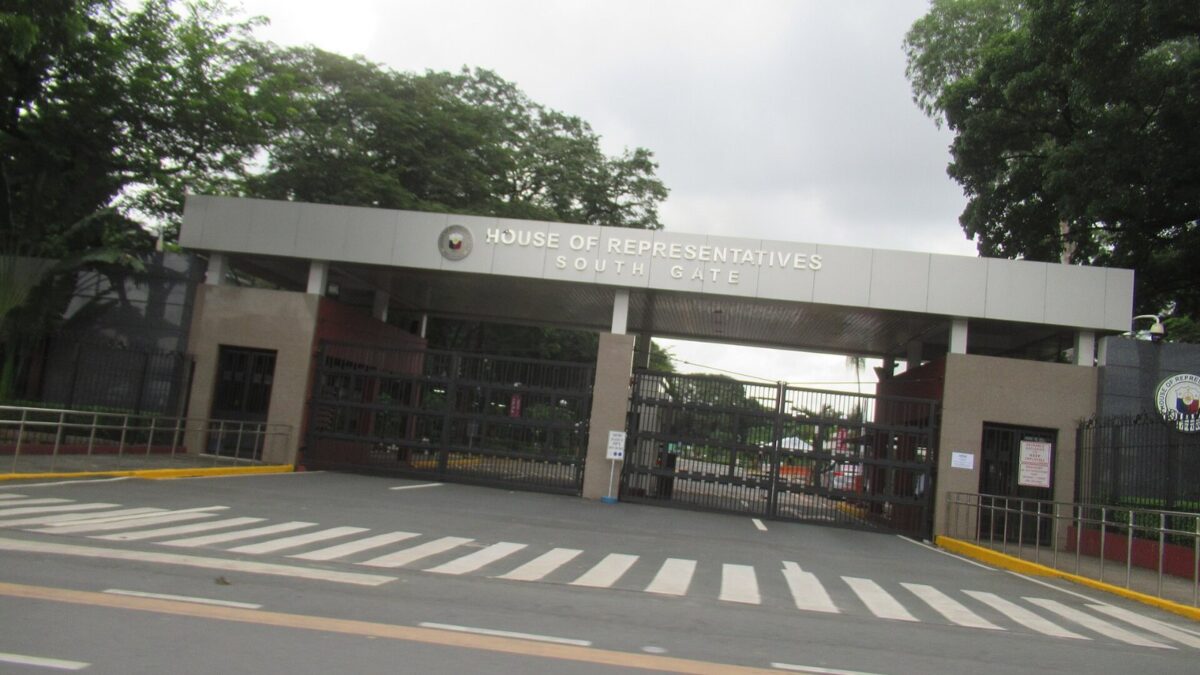
House Bill 9603 would set aside 3 percent of local health budgets for tobacco control, and Social Watch Philippines is pressing lawmakers to keep that provision as the measure moves beyond the House Committee on Health. The committee approved the bill last week, according to the government news agency PNA.
The 3 percent would fund benchmarking, research, cessation programmes and awareness campaigns at the local level. SWP argues that smoke-free and vape-free rules fail without money behind enforcement.
Families cover 41.2 percent of chronic-illness bills
SWP cited Philippine Statistics Authority figures showing half of the country’s health spending in 2025 went to chronic illnesses including heart disease, cancer and lung problems. The same data put the household share of those bills at 41.2 percent paid out of pocket.
The Department of Health lists smoking, vaping and exposure to secondhand smoke and vape aerosols among the leading preventable causes of those chronic diseases, according to PNA. SWP co-convenor Dr. Ma. Victoria Raquiza said local governments need budgets to enforce protections for children and communities.
| Item | Figure | Share or unit |
|---|---|---|
| Local health budget earmarked for tobacco control under HB 9603 | 3 | percent |
| Chronic-illness bills paid out of pocket by families | 41.2 | percent |
| Excise on alcohol, heated tobacco and vape set aside for SDGs under RA 11467 | 20 | percent |
| Local Development Fund share SWP points to for lower-income LGUs | 20 | percent |
SWP points to funds local governments already hold
The group named several existing channels rather than new taxes. Local government units could fold smoke-free programmes into already-funded noncommunicable disease programmes or draw on multisectoral sources including nutrition.
Provinces and cities could use the Special Health Fund under the Universal Health Care Act for information campaigns, SWP said. Lower-income LGUs could tap the 20 percent Development Fund and phase in enforcement as their fiscal capacity grows.
SWP also cited Republic Act 11467, which it describes as the Ease of Paying Taxes Act. Under that citation, 20 percent of taxes collected on alcohol, heated tobacco and vape products is set aside for the Sustainable Development Goals. The group suggested directing that money to SDG Target 3.a on tobacco control.
The bill’s committee approval came during National Children’s Month. Raquiza thanked committee chair Giselle Maceda, the Manila 4th District representative, for advancing the measure at committee level.
Manufacturers and exporters face local enforcement, not new national rules yet
Analysis: HB 9603 remains a proposal that has cleared one committee, so it imposes no registration, labelling or product standard on suppliers yet. What it would change is the money behind local enforcement, which in practice shapes how retail and online sales are policed city by city. Exporters and distributors watching the Philippine market should track the funding clause rather than assume new national product requirements.
What happens next
Raquiza urged lawmakers to keep the funding provisions intact as the bill advances through the House and Senate. The 3 percent allocation survives or falls in those stages, and no floor schedule has been reported.
Questions readers ask
Has the Philippines passed the Smoke-Free and Vape-Free Environment Bill?
No. House Bill 9603 has been approved by the House Committee on Health, according to PNA, and still has to pass the House and Senate. It is a proposal, not a law in force.
Where would the 3 percent for tobacco control come from?
HB 9603 proposes taking 3 percent of local health budgets for tobacco control, covering benchmarking, research, cessation programmes and awareness campaigns.
Sources
18+ only. This site is for adult readers and provides news and information only. It is not medical, legal or purchase advice. Nicotine is addictive. Always check the official text of any regulation in your market. Health Information