Calley Means says White House sought vape money for 2026 midterms
Former HHS adviser Calley Means told CBS that officials cited midterm campaign money while pressing FDA on fruit-flavoured vapes. Susie Wiles and James Blair dispute his account.
Key points
- Calley Means said in a Nov. 8 CBS interview that officials cited midterm campaign money when discussing industries including vaping.
- Means accused Susie Wiles and James Blair of pressing HHS to approve fruit-flavoured e-cigarettes; both disputed his account.
- James Blair told CBS his task was forcing FDA decisions on nicotine-device applications within the six months federal law sets.
- Marty Makary said tobacco interests repeatedly pressed him to authorise fruit-flavoured products and that he resisted.
- The FDA approved some fruit-flavoured e-cigarettes in early May, CBS reported, without naming products or applicants.
On this page
Calley Means, until recently a senior adviser to HHS Secretary Robert F. Kennedy Jr., said administration officials pressed the FDA on fruit-flavoured e-cigarettes and justified it with campaign money for the 2026 midterms. Both officials he named deny his account.
Means named Wiles and Blair in a Sunday broadcast interview
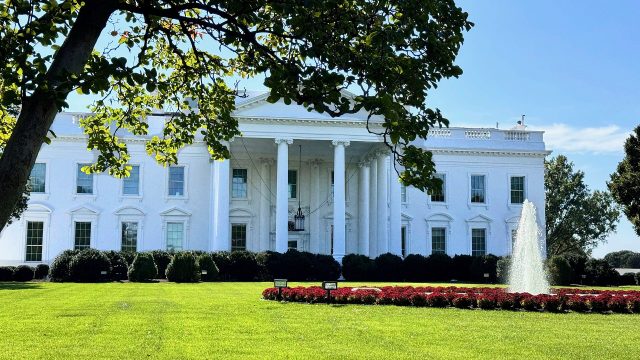
In the interview with CBS News’ Margaret Brennan, broadcast Nov. 8, Means said officials told him the administration needed industry money for the midterms, listing vaping alongside pharmaceuticals, pesticides and processed foods. He accused former White House chief of staff Susie Wiles and deputy chief of staff James Blair of pressing HHS to find a route to approve fruit-flavoured e-cigarettes.
Means first made the allegations publicly on Friday in an interview taped Thursday for the Joe Rogan podcast, according to CBS News, and called on President Trump to clear his house. He resigned from HHS last month, CBS reported, after helping lead work on dietary guidelines and on removing soda and candy from SNAP benefits.
Blair says his remit was FDA timelines, not flavours
Blair told CBS that he did not promote flavoured vaping and that his task was to make the FDA decide nicotine-device applications within the six months federal law sets. He described Means as misrepresenting his role because Means opposes the issue, and said the president has stated his position on smoking alternatives publicly.
Two sources familiar with the process told CBS that Trump tasked Blair with pushing then-FDA Commissioner Marty Makary to respond faster to nicotine-industry applications, while also acknowledging that the president wanted flavoured vapes more available. Wiles’ response is not recorded in the available material; the primary account states that both officials disputed Means’ version.
Means’ allegations have not been independently substantiated, and no documentation of the quoted remark has been produced in the material reviewed.
Makary describes separate pressure and says he resisted
Makary said tobacco interests repeatedly urged him to authorise fruit-flavoured products and that he resisted, according to the primary account. His statement addresses industry pressure on the commissioner, not the White House lobbying Means describes, so the two accounts do not corroborate each other on that point.
The FDA approved some fruit-flavoured e-cigarettes in early May
CBS reported that the FDA approved some fruit-flavoured e-cigarettes in early May. Neither source names the products, the applicants or the number of authorisations, so the decisions cannot be matched here to any specific application.
The White House has not published a response to the substance of Means’ claims in the available material. As a 2024 candidate, Trump promised to save vaping and referred to his first-term efforts on flavoured vaping, CBS reported.
Who is affected
Manufacturers and importers with fruit-flavoured PMTAs pending at the FDA have the most direct stake: the dispute centres on whether political pressure shaped how fast those applications were handled. Distributors planning US range and order timing have no new authorisation to act on, since no product decisions were announced alongside the allegations.
Analysis: Supply-side readers should treat the episode as a signal about political scrutiny of the FDA’s tobacco office rather than a change in authorisation status. Companies with applications in review face the same legal standard, and the public dispute raises the chance that pending decisions attract congressional or media attention. Filing teams may want application records in order, since any review of how applications were processed would rely on them.
What happens next
No hearing, investigation or formal review has been announced in the material. The next test is whether Wiles, who has resigned her post, or the White House responds in detail, and whether any documentation backs the quoted remark.
Questions readers ask
Did the FDA approve fruit-flavoured e-cigarettes?
CBS News reported that the FDA approved some fruit-flavoured e-cigarettes in early May. Neither source names the products, applicants or number of authorisations.
Were Calley Means' allegations confirmed?
No. The primary account states the allegations have not been independently substantiated. James Blair disputed Means' characterisation of his role, and the primary account states that both officials Means named disputed his version.
Sources
18+ only. This site is for adult readers and provides news and information only. It is not medical, legal or purchase advice. Nicotine is addictive. Always check the official text of any regulation in your market. Health Information